
Explore how rural Guizhou football factories are driving China’s rural revitalization through high-quality exports. Discover premium footballs, manufacturing insights, and shop durable options at Kanghong Sports.
In the heart of China’s southwestern mountains, an unexpected industry is thriving: football ball manufacturing. A recent Xinhua News report spotlights how factories in rural Guizhou Province are producing high-quality footballs that are exported to markets across Europe, America, and beyond.
These “football factories” are more than production sites—they are engines of rural revitalization, transforming remote villages by providing stable employment and higher incomes for local residents.
The Rise of Guizhou’s Football Industry
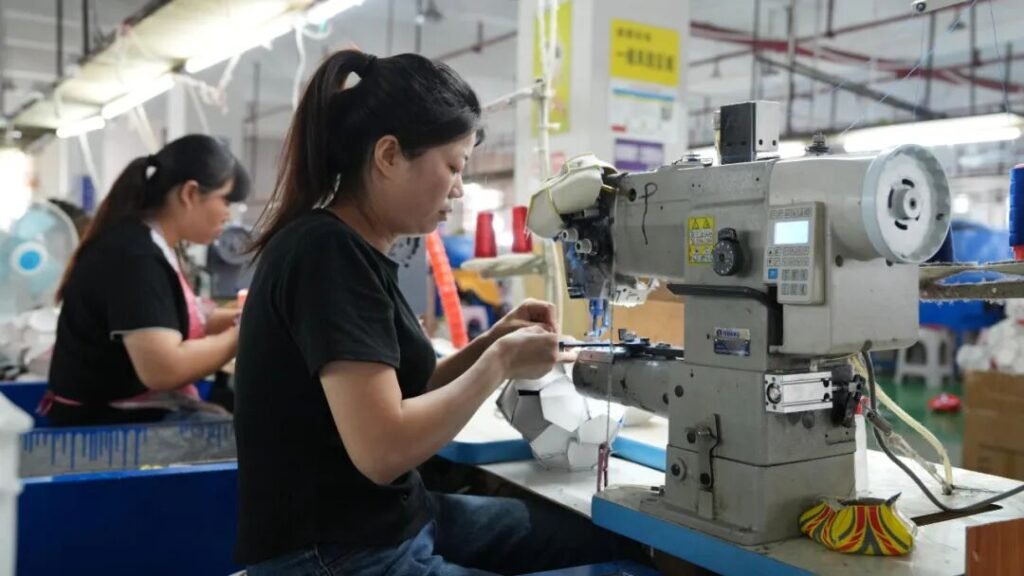
Guizhou, known for its rugged terrain and ethnic diversity, has emerged as a key hub for football ball production. Local enterprises use both hand-stitched and machine-sewn techniques to create balls that meet stringent international standards.
Products from these factories are found in professional leagues, amateur games, and retail shelves worldwide. This success story underscores China’s shift toward high-value manufacturing in rural areas, similar to the factory-direct models that ensure quality and affordability.
Impact on Rural Communities and Economy
The introduction of football manufacturing has had profound effects:
- Job Creation: Thousands of villagers, many previously reliant on subsistence farming, now work in factories with steady wages.
- Income Growth: Workers report significant earnings improvements, enabling better education, healthcare, and living standards.
- Global Integration: By joining international supply chains, these rural areas gain economic stability and exposure to global football ball exports.
This aligns perfectly with China’s national rural revitalization strategy, which emphasizes industry-led development to reduce urban-rural disparities.
Premium Football Balls Inspired by This Manufacturing Excellence
At Kanghong Sports, we draw inspiration from these innovative rural manufacturing hubs to offer our own range of high-quality, durable football balls and football accessories. Our factory-direct approach ensures premium performance at affordable prices, with options for customization—just like the export-grade balls coming out of regions like Guizhou.
Check out some of our top football ball products:
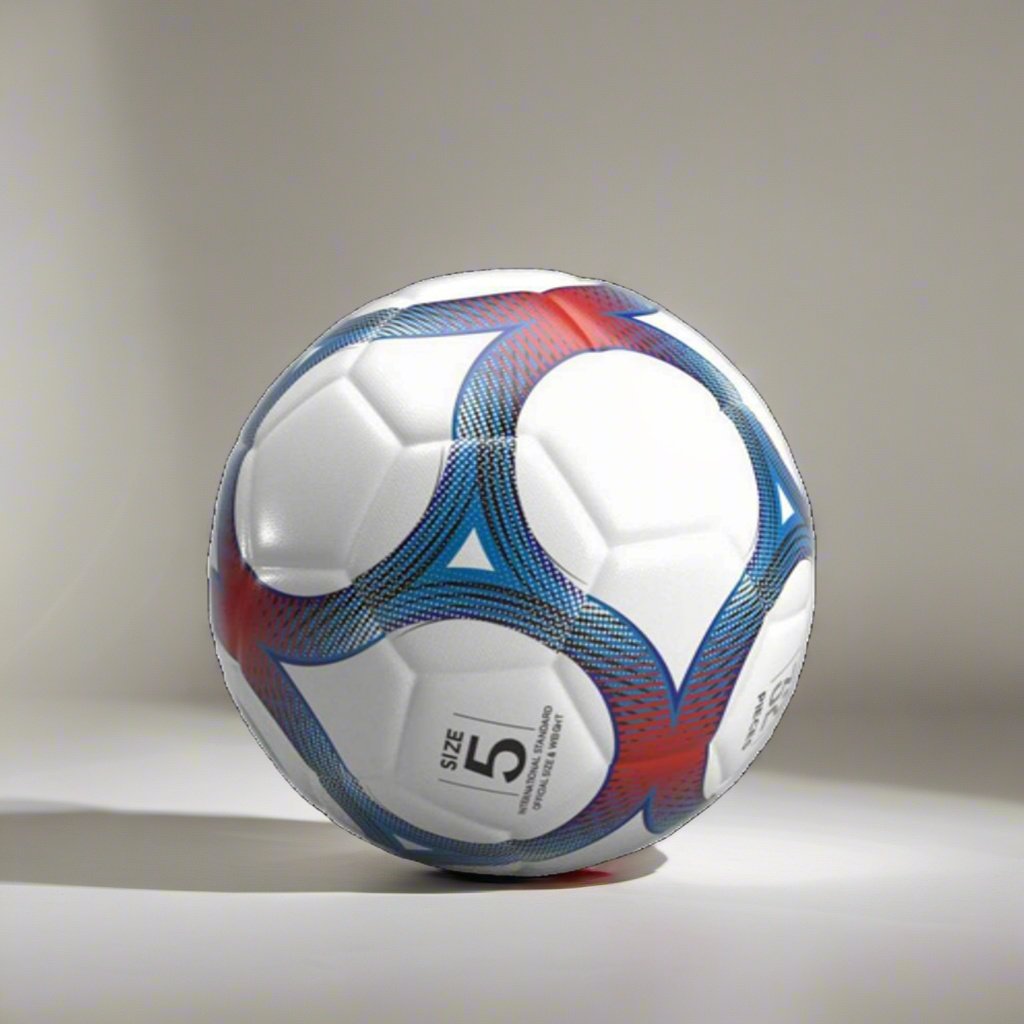
- Football-TS Blue & Red Ribbon: High-performance ball replicating professional standards (as low as $6.84).
- Football-V10 Flames: Vibrant, durable design perfect for training and matches (as low as $4.76).
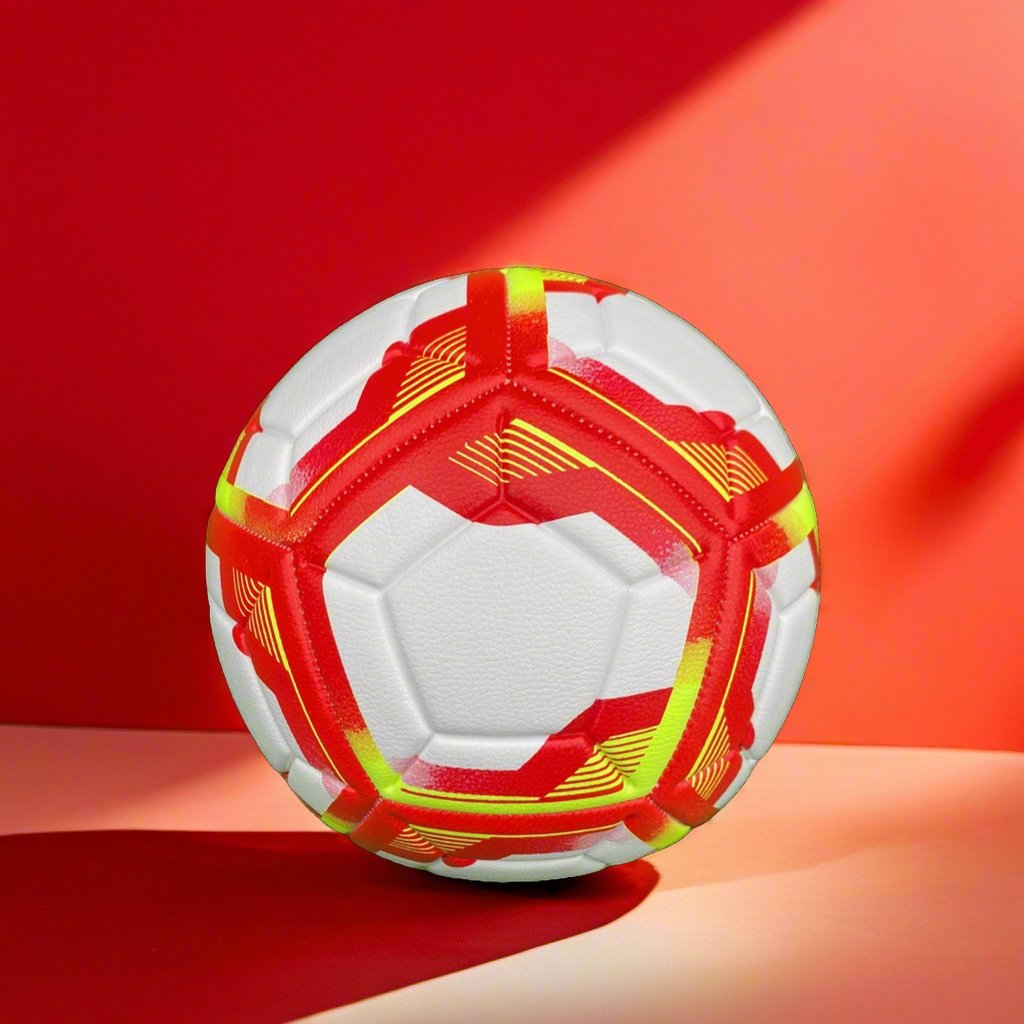
Explore our full collection of football balls, custom footballs, and related gear at Kanghong Sports Shop. Enjoy fast shipping and secure payments on all orders.
Lessons for Global Manufacturing and Supply Chains
Guizhou’s model offers valuable insights for businesses worldwide:
- Diversifying production to rural areas can enhance resilience against urban disruptions.
- Investing in workforce training ensures quality and competitiveness.
- Sustainable industry growth supports both economic and social goals.
As global demand for sports equipment rises—especially football balls for export—regions like Guizhou, combined with direct suppliers like Kanghong Sports, are positioned to lead the market.
We’re passionate about bringing reliable, high-quality footballs to teams and players everywhere. If you’re looking for bulk orders, custom designs, or premium football gear, visit our online store today or contact us for partnerships.
Original report from Xinhua Net & China Net
Guizhou football factories link rural Guizhou with global markets
Deep in the Wuling Mountains of northern Guizhou, Wuchuan Gelao and Miao Autonomous County is using its football manufacturing sector as a lever for rural revitalization, driving an industrial shift that connects its remote valleys with markets around the world.
In Wuchuan’s Daping Industrial Park, a cluster of football manufacturers has taken shape. As one of China’s major production bases, the county turns out more than 10 million footballs each year, supplying customers across five continents.
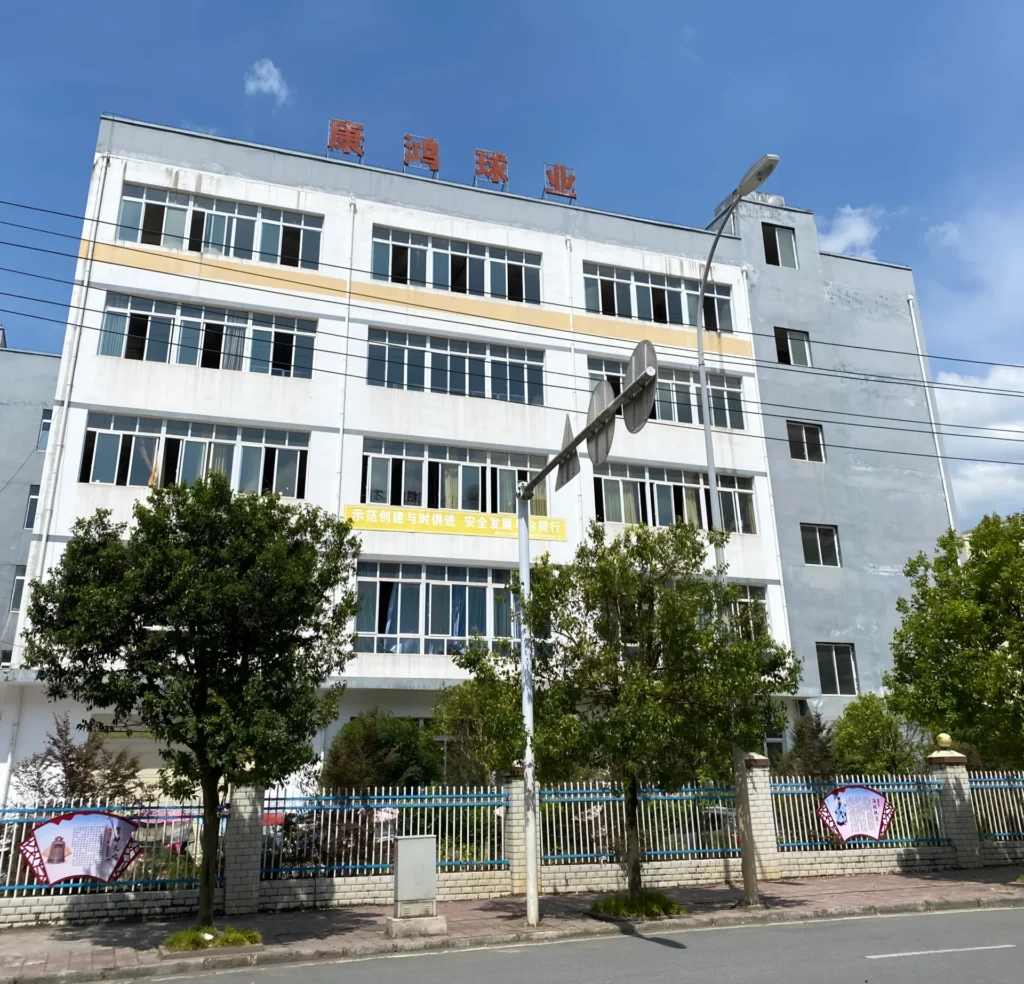
Inside the production workshop of Wuchuan Kanghong Sporting Products Co., Ltd., piles of finished footballs rise like small hills. The steady tapping of sewing machines blends with the whir of ink-printing equipment. Tian Taiqiang, the company’s head, moves briskly between workstations as he races to fill surging overseas orders and organizes workers to pack and ship the balls worldwide.
“The 2026 World Cup will kick off in June, and orders from overseas customers have been climbing this year,” Tian said. “We expect a buying peak in the first half of next year. In addition to regular match balls, demand for decorative footballs is also growing. We’re working hard to expand production to ensure efficient delivery.”
After more than two decades working in Yiwu, Zhejiang Province, Tian returned to his hometown with football-making expertise, investment capital and a strong desire to build something new in 2017. He launched his own business, combining standardized processes he learned in Zhejiang factories with Wuchuan’s abundant labor resources to set up a production line in Daping Industrial Park.
“In our first year, we produced only three million footballs, but orders were booked through the end of the year,” Tian recalled. His early success drew more entrepreneurs back home, and with continued government efforts to attract investment, several companies settled in the park, forming a growing football manufacturing cluster.
After years of development, Wuchuan’s football industry has shifted from low-end contract manufacturing to mid- and high-end production, improving both product quality and market reach.
Tian said the push into overseas markets has not been without setbacks. A few years ago, a Shanghai foreign-trade company pooled products from several domestic manufacturers, including Tian’s firm, to fill an export order for Poland.
As the Polish buyer reported bonding defects of inner bladders in a small number of balls, Tian immediately sent a technical team to Europe at his own expense, even though the problematic balls did not come from his factory. Over two weeks, the team inspected every football to eliminate any potential quality risks.
“It was our integrity that won over the overseas client,” Tian said. “The Polish buyer became a long-term partner. Last year they placed a custom order for 160,000 footballs with our factory, and they have also recommended Wuchuan-made footballs to customers in other European countries, helping expand our export channels.”
In Wuchuan, football is not only a key export but also a “golden key” for improving livelihoods. The five manufacturers in Daping Industrial Park provide stable jobs for more than 1,000 local residents.
“I used to work far from home,” said Tian Xueling, who specializes in ball stitching. “Now I can work near my family, take care of my elders and children, and earn over 4,000 yuan (about 566.8 U.S. dollars) a month.”
Today, Wuchuan is advancing its football industry along three fronts: building enterprise clusters to strengthen industrial concentration, improving product quality, and using football events to fuel development. By attracting upstream and downstream companies, the county is working to complete the industry chain. It is also developing a football brand with Gelao cultural elements, expanding domestic markets, sponsoring campus football tournaments, and promoting integrated development of production, competition and culture — bringing football from the mountains to a broader stage.
“This year, the comprehensive output value of Wuchuan’s football industry has surpassed 90 million yuan (about 12.75 million U.S. dollars),” said Cheng Peng, deputy head of Wuchuan County. “Our long-term goal is to take Wuchuan football to the World Cup and continue expanding its global network.”
Sources:
(1) Xinhua Net
(2) China Net
